If you’re considering therapy, one of the first questions you may have is whether online therapy or in-person therapy is the better option.
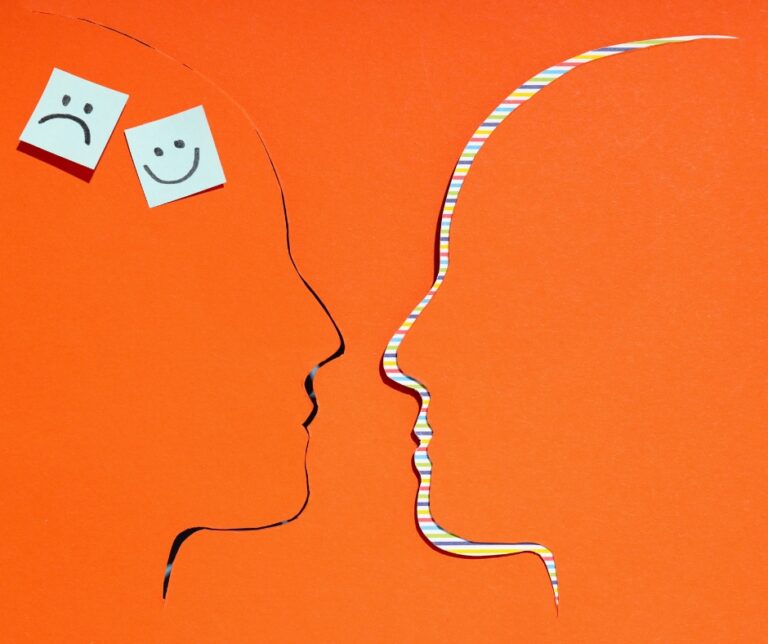
The answer is not always straightforward because the right choice depends on your preferences, lifestyle, comfort level, and what you hope to get out of therapy. While some people appreciate the structure and face-to-face connection of in-person sessions, others find that online therapy makes it easier to access support consistently.
Rather than focusing on which option is universally better, it can be more helpful to consider which approach feels like the best fit for your needs.
How online therapy and in-person therapy compare
At their core, both online and in-person therapy share the same goal: helping people work through challenges, improve emotional wellbeing, and develop healthier ways of coping with stress and life experiences.
The biggest difference is how the sessions take place.
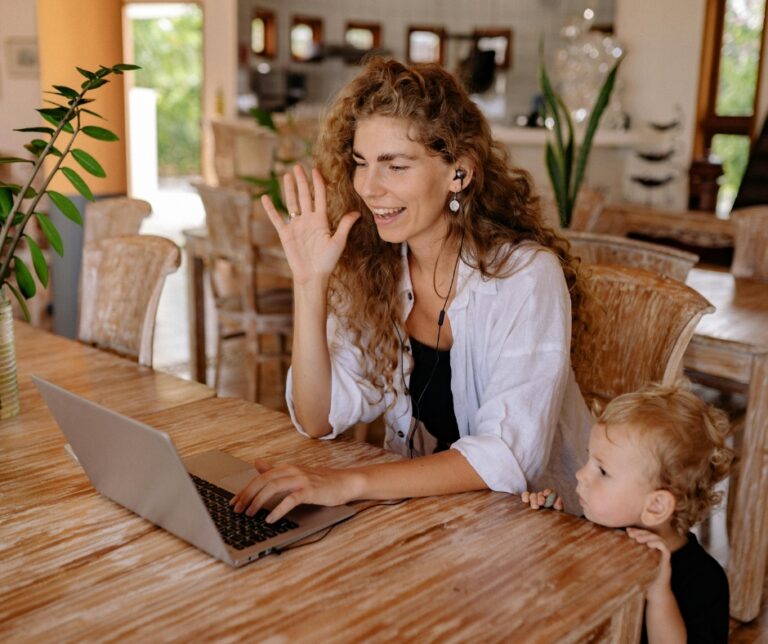
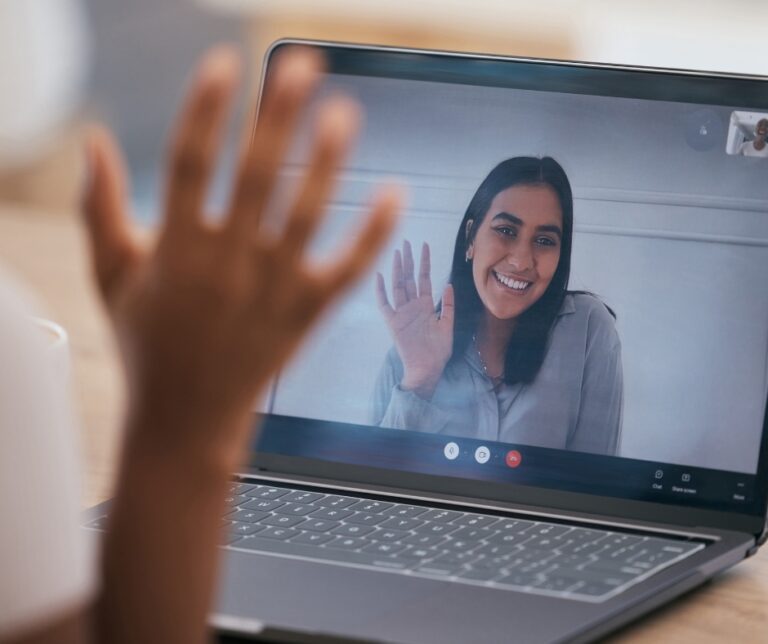
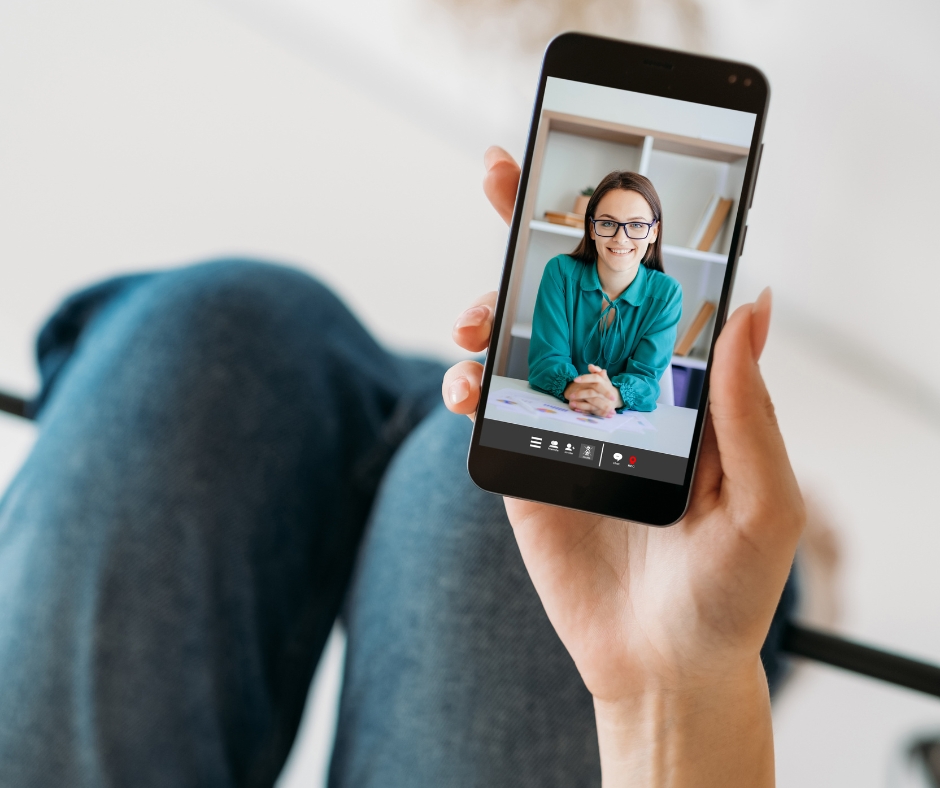
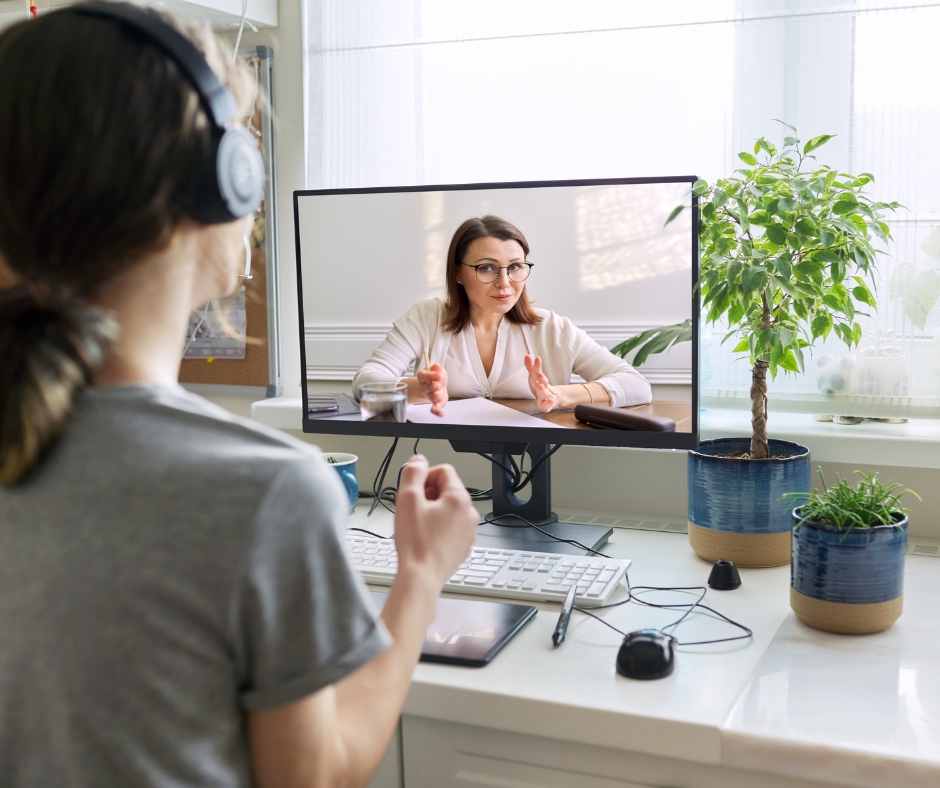
In-person therapy typically involves meeting with a therapist in an office setting. Online therapy allows you to connect with a licensed therapist through secure video sessions from your home or another private location.
Both formats can provide meaningful support, and many of the same therapeutic approaches can be used in either setting.
Benefits of online therapy
One reason online therapy has become increasingly popular is convenience. For many people, removing the need to commute to appointments makes it easier to fit therapy into an already busy schedule.
Online therapy may be especially helpful for people who:
- Have demanding work schedules
- Live in areas with limited access to therapists
- Have transportation challenges
- Prefer receiving support from home
- Feel more comfortable opening up in familiar surroundings
For some individuals, being in their own environment can make conversations feel more natural and less intimidating than sitting in a therapist’s office. That added comfort may help people feel more relaxed and willing to engage in the therapeutic process.
Another benefit is consistency. When therapy is easier to access, people are often more likely to maintain regular appointments and stay engaged with their care over time.
Benefits of in-person therapy
While online therapy offers flexibility, some people prefer the experience of meeting face-to-face.
An in-person setting can provide a dedicated space that feels separate from daily life and distractions. For some individuals, physically leaving home and entering a therapeutic environment helps create a stronger sense of focus during sessions.
Some people also feel more comfortable communicating in person and appreciate the experience of sharing a physical space with their therapist. Depending on the therapeutic approach being used, certain interventions may also be easier to facilitate in person.
In-person therapy may appeal to people who:
- Prefer face-to-face interaction
- Want a dedicated environment outside the home
- Feel more engaged in an office setting
- Have easy access to local providers
Which option is more effective?
Research has found that online therapy can be an effective option for many mental health concerns, and many people experience meaningful progress through virtual care.
However, effectiveness often depends less on the format itself and more on factors such as consistency, engagement, and the quality of the therapeutic relationship.
Feeling comfortable with your therapist, showing up regularly, and having a treatment approach that aligns with your needs often matters more than whether sessions take place online or in person.
A strong connection with your therapist can be an important part of the therapeutic experience regardless of how you meet.
Questions to ask yourself when choosing
If you’re unsure which option is right for you, it may help to think about your lifestyle, preferences, and what would make it easier for you to stay engaged in therapy long term.
Consider questions such as:
- Would I feel more comfortable talking from home or in an office?
- Do I have the flexibility to travel to appointments?
- Am I more likely to attend sessions consistently online?
- Do I prefer face-to-face interaction?
- What barriers might make therapy harder to access?
There is no universally correct answer. The best choice is often the one that feels most realistic and sustainable for your life.
The most important thing is getting support
It’s easy to spend a lot of time trying to choose the perfect therapy option. But in many cases, the most important step is simply getting started.
Whether you choose online therapy or in-person therapy, seeking support can provide space to better understand your thoughts, emotions, relationships, and challenges. Therapy is not about finding a perfect format. It is about finding support that feels accessible, comfortable, and helpful for you.
Many people discover that once they begin, the question becomes less about which format is better and more about how therapy is helping them move forward.
Taking the First Step—When You’re Ready
You don’t have to have everything figured out to begin.
When you’re ready, Breathable offers a clear, human way to start your therapy journey, without requiring you to decide on the “right” kind of therapy ahead of time. The platform is designed to reduce pressure and help you connect with an independently licensed therapist who can meet you where you are.
Find the therapist for you—when it feels right.
Frequently Asked Questions
Is online therapy as effective as in-person therapy?
For many people, online therapy can be an effective option. Success often depends on factors such as consistency, engagement, and the relationship with your therapist.
What are the benefits of online therapy?
Online therapy offers convenience, flexibility, accessibility, and the ability to attend sessions from a familiar environment.
Who might prefer in-person therapy?
Some people prefer face-to-face interaction, a dedicated therapy environment, or the experience of meeting with a therapist in person.
How do I know which therapy option is right for me?
Consider your comfort level, schedule, access to providers, and which format would make it easier for you to attend sessions consistently.
Can I switch from online therapy to in-person therapy later?
Depending on provider availability and your needs, it may be possible to transition between formats if your preferences change over time.