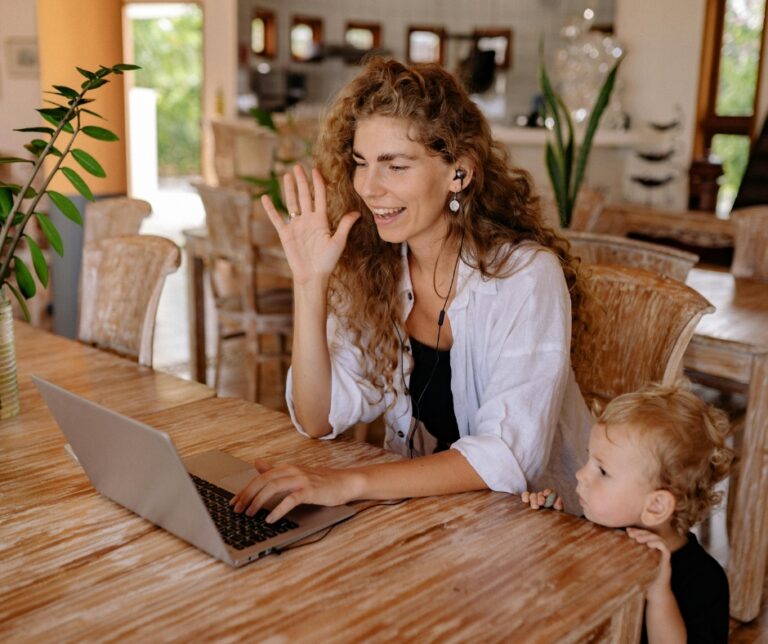
Being a stay-at-home mom can be deeply meaningful, but it can also feel emotionally exhausting in ways people do not always talk about openly. Many mothers spend their days constantly caring for others while quietly feeling overwhelmed, isolated, emotionally drained, or disconnected from themselves. Because society often frames staying home with children as something that should feel rewarding all the time, a lot of moms feel guilty admitting when they are struggling.
But ongoing sadness, emotional exhaustion, or feelings of hopelessness are not signs of failure. They can be signs that your mental health needs support too.
Is it burnout or depression?
Every parent experiences stress and exhaustion at times, especially during demanding stages of motherhood. But depression often feels different than simply being tired after a difficult week. For many stay-at-home moms, it can feel persistent and emotionally heavy in a way that does not fully improve with rest alone.
Some mothers describe feeling emotionally numb, constantly irritable, disconnected from themselves, or unable to enjoy things they once cared about. Others notice ongoing guilt, hopelessness, or the sense that they are failing no matter how much they are doing each day.
These experiences are more common than many people realize, especially when emotional stress continues building over long periods of time without enough support or recovery.
The emotional weight of invisible labor
One of the biggest challenges many stay-at-home moms face is the constant mental load that comes with caring for a household and family. Even when it is not physically visible, there is often nonstop emotional and mental management happening in the background throughout the day.
Many mothers are continuously planning schedules, remembering appointments, managing meals, anticipating everyone’s needs, and thinking ahead for the household. Over time, carrying that level of responsibility without enough emotional support or personal space can become overwhelming.
Isolation can also play a major role. Spending most of the day caregiving often limits opportunities for adult interaction, personal identity, or meaningful time outside the home. Even when a mom is rarely physically alone, she may still feel emotionally isolated.
Why some moms feel disconnected from themselves
Motherhood can change nearly every part of daily life, including how someone sees themselves. Many stay-at-home moms describe feeling like parts of their identity slowly faded into the background after becoming parents.
Careers, routines, hobbies, independence, and personal goals often shift dramatically during this stage of life. While caring for children can bring deep fulfillment, it can also create grief for the parts of yourself that suddenly feel distant or harder to access.
Feeling disconnected from yourself does not mean you love your children any less. It often reflects the challenge of adjusting to a major life transition while still trying to maintain your own emotional wellbeing.
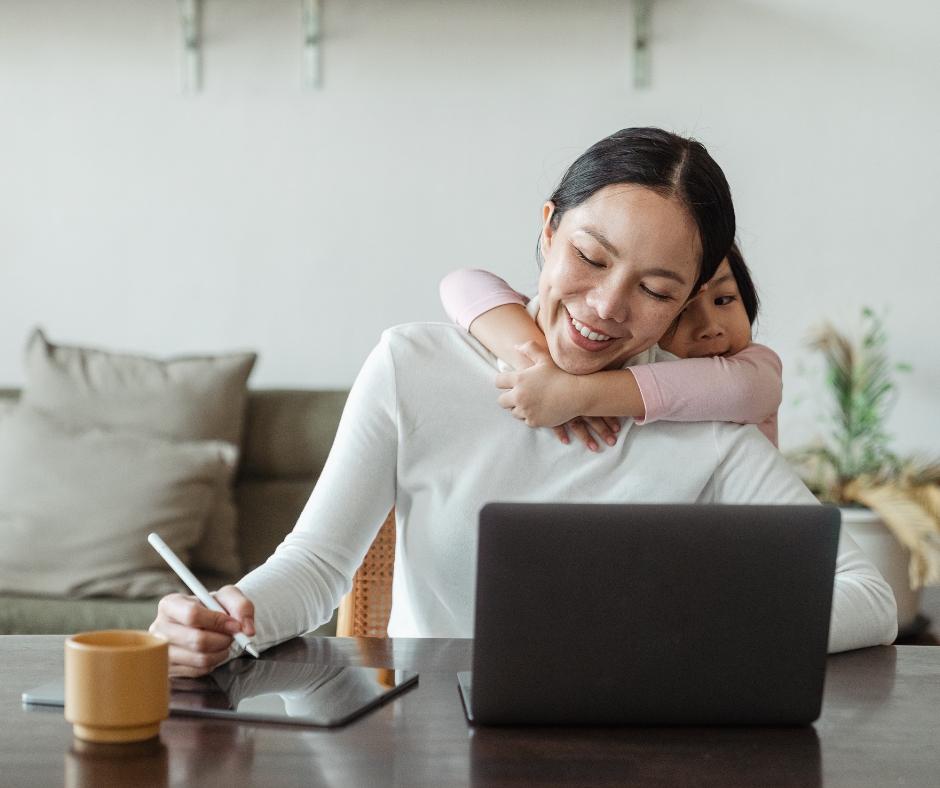
Understanding irritability and “mom rage”
Depression does not always look like sadness. For some stay-at-home moms, emotional overwhelm shows up as constant irritability, frustration, or sudden emotional outbursts. This is sometimes referred to as “mom rage,” though it is often rooted in exhaustion, overstimulation, chronic stress, and unmet emotional needs.
Constant noise, lack of personal space, interrupted sleep, and never fully getting a mental break can leave the nervous system feeling overloaded for long periods of time. When someone remains in that state long enough, even small moments can begin to feel emotionally overwhelming.
That does not make someone a bad parent. It may simply mean their mind and body have been carrying more stress than they have had the opportunity to recover from.
Why support matters
A lot of moms try to push through these feelings alone because they believe they should be able to handle everything themselves. But emotional support matters, especially during demanding stages of life that involve ongoing caregiving and stress.
Therapy can help stay-at-home moms process feelings of overwhelm and isolation while also rebuilding a sense of identity outside of caregiving responsibilities. It can provide space to better understand emotional patterns, develop healthier coping strategies, and feel more supported during a period of life that often feels emotionally invisible.
Even small moments of support and emotional connection can make a meaningful difference over time.
Taking the First Step—When You’re Ready
You don’t have to have everything figured out to begin.
When you’re ready, Breathable offers a clear, human way to start your therapy journey, without requiring you to decide on the “right” kind of therapy ahead of time. The platform is designed to reduce pressure and help you connect with an independently licensed therapist who can meet you where you are.
Find the therapist for you—when it feels right.
Frequently Asked Questions
Can stay-at-home moms experience depression?
Yes. Stay-at-home moms can experience depression, emotional burnout, anxiety, and feelings of isolation, especially during prolonged periods of stress and caregiving.
What are signs of stay-at-home mom depression?
Signs may include persistent sadness, irritability, emotional numbness, exhaustion, loss of motivation, and feeling disconnected from yourself or others.
Why do some stay-at-home moms feel isolated?
Caregiving can limit personal time, adult interaction, and opportunities for emotional support, which can contribute to loneliness and isolation over time.
Can therapy help stay-at-home moms?
Yes. Therapy can provide emotional support, coping strategies, and a space to process stress, identity changes, and the emotional demands of motherhood.