
You might feel on edge more often than you’d like.
Even in moments when nothing is technically wrong, your body doesn’t fully relax. You may notice your mind going back to certain experiences, or feel stuck in patterns you can’t quite explain.
A lot of people assume this is just something they have to live with. In reality, it’s often a sign that something deeper hasn’t been fully processed.
Finding the right therapist, especially one who understands trauma—can make a meaningful difference.
Can trauma therapy be effective online?
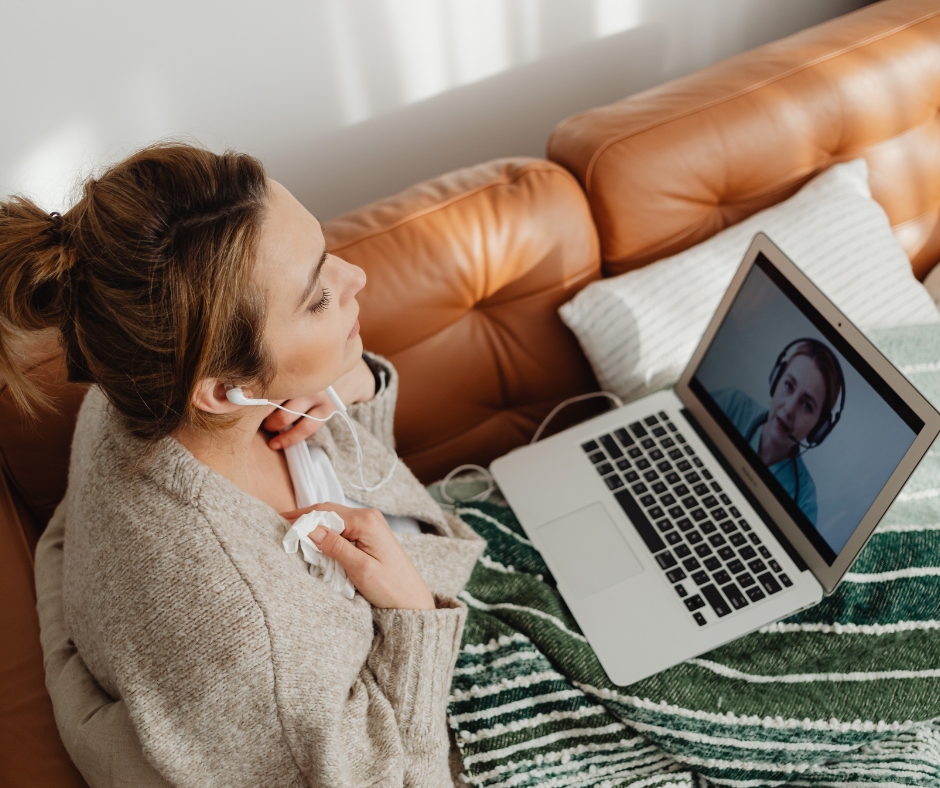
Yes, trauma therapy can be effective in an online setting.
Sessions are done over video, allowing you to connect with a therapist from your own space. For many people, this actually makes it easier to open up, since you’re in an environment that already feels familiar and comfortable.
Online therapy also makes it easier to find a therapist who specializes in trauma, rather than limiting your options to whoever is nearby.
Why trauma can feel hard to move past
Trauma isn’t just something you think about. It can show up in how your body responds, even when you’re not consciously focused on the past.
That’s why it can feel confusing. You might logically know you’re safe, but still experience anxiety, tension, or emotional reactions that don’t seem to match the moment.
Some common signs people notice include:
- Feeling constantly on edge or alert
- Difficulty relaxing, even in safe environments
- Emotional numbness or feeling disconnected
- Trouble sleeping or frequent nightmares
- Strong reactions to situations that seem minor
- Physical tension or stress that doesn’t go away
These responses aren’t random. They’re often your nervous system trying to protect you, even if it no longer needs to.
Why the right type of therapy matters
Not all therapy approaches work the same way when it comes to trauma.
Traditional talk therapy can be helpful for processing thoughts and emotions, but trauma often requires a more specific approach that also takes the body’s response into account.
That’s why working with a therapist who understands trauma is important. Instead of just talking through experiences, they help you safely process them so they feel less overwhelming over time.
The goal isn’t to revisit everything all at once. It’s to move at a pace that feels manageable, while building a sense of safety along the way.

What to look for in an online trauma therapist
Finding the right therapist can feel overwhelming, especially with so many options available online.
A few things that can help you narrow it down:
- A licensed therapist with experience in trauma
- Clear mention of trauma-informed care or related approaches
- A focus on helping you feel safe and supported, not rushed
- A style that feels approachable and easy to talk to
- Willingness to answer questions before you commit
You don’t need to have everything figured out before reaching out. What matters most is finding someone you feel comfortable starting with.
Why online therapy can feel easier to start
For many people, starting therapy is the hardest part.
Online therapy removes some of that pressure. You don’t have to commute, sit in a waiting room, or adjust to a new environment right away. You can start from a place that already feels familiar.
That sense of comfort can make it easier to open up, especially when talking about experiences that feel difficult or personal.
It also gives you more flexibility in finding someone who truly fits your needs, rather than settling for convenience.
When to consider trauma therapy
You don’t need a specific diagnosis to benefit from trauma therapy.
It may be worth exploring if:
- You feel stuck in patterns you can’t change
- Certain experiences still affect how you feel day to day
- You notice ongoing anxiety, tension, or emotional disconnection
- You want to feel more at ease in your own life
Starting doesn’t mean something is wrong with you. It means you’re ready to understand what you’ve been carrying and find a better way forward.
Taking the First Step—When You’re Ready
You don’t have to have everything figured out to begin.
When you’re ready, Breathable offers a clear, human way to start your therapy journey, without requiring you to decide on the “right” kind of therapy ahead of time. The platform is designed to reduce pressure and help you connect with an independently licensed therapist who can meet you where you are.
Find the therapist for you—when it feels right.
Frequently Asked Questions
Can trauma therapy be done online?
Yes, many trauma therapists offer virtual sessions, and online therapy can be just as effective as in-person care.
How do I know if I need a trauma therapist?
If past experiences are still affecting how you feel, react, or function day to day, working with a trauma-informed therapist may help.
Is online therapy safe and private?
Yes, licensed providers use secure, HIPAA-compliant platforms to protect your privacy.
What should I look for in a trauma therapist?
Look for proper licensing, experience with trauma, and a communication style that makes you feel comfortable and supported.