
If you suddenly feel more anxious, irritable, overwhelmed, or unlike yourself, your mental health may not be the only thing influencing how you feel. For many women, changes in hormones can affect both physical and emotional well-being.
Hormonal shifts happen throughout a woman’s life, from monthly menstrual cycles and pregnancy to postpartum recovery, perimenopause, and menopause. During these transitions, some women notice changes in mood, sleep, concentration, energy, or their ability to manage stress.
That doesn’t mean every mental health concern is caused by hormones. Anxiety, depression, chronic stress, relationship challenges, and other factors can exist independently or alongside hormonal changes. Understanding how the two may interact can help you get a clearer picture of what you’re experiencing and what kind of support might help.
The Connection Between Hormones and Mental Health
Hormones are chemical messengers that influence processes throughout the body. Reproductive hormones such as estrogen and progesterone fluctuate throughout the menstrual cycle and change significantly during pregnancy, postpartum recovery, perimenopause, and menopause.
These hormonal changes can interact with systems involved in mood, sleep, cognition, and stress response. As a result, emotional symptoms may sometimes appear alongside physical ones.
You might notice:
- Increased anxiety or worry
- Irritability or mood changes
- Difficulty sleeping
- Feeling emotionally overwhelmed
- Low mood
- Trouble concentrating or brain fog
- Changes in energy or motivation
- Feeling less resilient to everyday stress
For some women, these changes are mild. For others, they can interfere with work, relationships, sleep, and daily life.
Perimenopause: When Emotional Changes Can Feel Unexpected
Perimenopause is the transition leading up to menopause, and it can begin years before menstrual periods stop completely. Because hormone levels can fluctuate during this time, symptoms may not always follow a predictable pattern.
Hot flashes and changes in menstrual cycles are commonly associated with perimenopause, but emotional and cognitive changes can be part of the experience too. Some women report increased irritability, anxiety, mood changes, difficulty concentrating, or feeling less like themselves.
Imagine someone who has handled a demanding career and busy family life for years. Suddenly, she’s waking up throughout the night, struggling to concentrate during meetings, and becoming irritated by things that never bothered her before. She may assume she’s simply stressed or “losing her patience,” when physical and hormonal changes could also be contributing to what she’s experiencing.
Recognizing that connection can help remove some of the confusion and make it easier to seek appropriate support.
Menopause, Sleep, and Emotional Well-Being
Menopause marks the point when a woman has gone 12 consecutive months without a menstrual period. But the symptoms associated with the menopausal transition don’t necessarily disappear immediately.
Sleep is one area where physical and emotional health can become especially interconnected. Night sweats, hot flashes, and other symptoms can make it difficult to get consistent, restorative sleep.
And poor sleep can affect much more than energy.
After several nights of disrupted sleep, you may notice that you’re more irritable, have difficulty concentrating, feel anxious, or struggle to manage stress that would normally feel manageable.
In situations like these, addressing emotional health without considering sleep and physical symptoms may leave an important part of the picture unexplored.
PMS and PMDD: When Your Cycle Affects Your Mood
Many women notice physical or emotional changes before their period. Premenstrual syndrome, or PMS, can include mood changes, irritability, fatigue, difficulty concentrating, changes in sleep, and physical symptoms.
For some women, however, premenstrual symptoms are significantly more severe.
Premenstrual dysphoric disorder, or PMDD, involves severe mood-related symptoms associated with the menstrual cycle that can interfere with everyday life. Symptoms may include significant irritability, depression, anxiety, mood swings, or feeling overwhelmed.
Tracking when symptoms occur can sometimes reveal a pattern. If you consistently feel emotionally well during part of the month but experience significant changes before your period, discussing that pattern with a healthcare provider may be worthwhile.
Postpartum Mental Health Is About More Than Adjusting to a New Baby
The postpartum period brings enormous changes in a short amount of time. Hormones shift after delivery while sleep, routines, relationships, responsibilities, and identity may all be changing at once.
Some emotional changes shortly after childbirth can be temporary. However, persistent or severe anxiety, depression, hopelessness, overwhelming worry, or difficulty functioning shouldn’t simply be dismissed as part of becoming a parent.
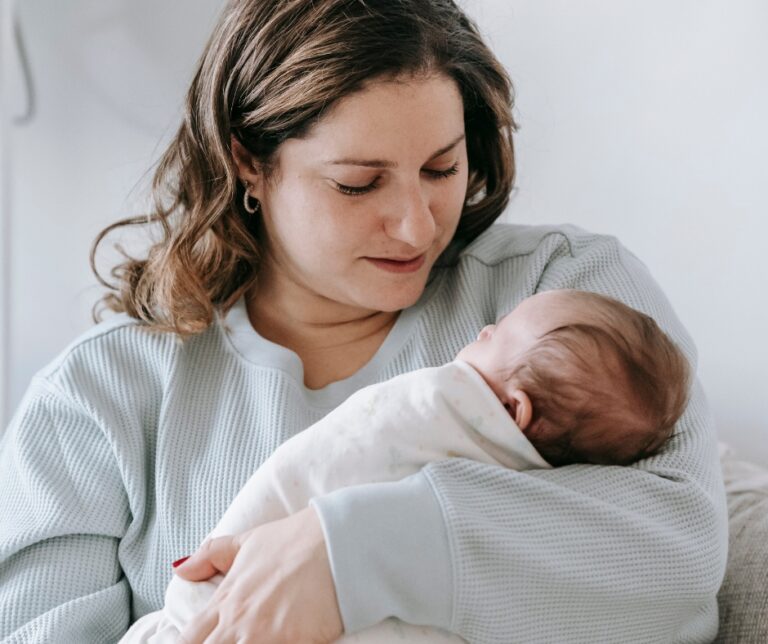
Consider a new mother who expected to feel tired but didn’t expect to feel constantly anxious. She may love her baby while simultaneously feeling overwhelmed, disconnected, or unable to quiet her thoughts. She might even feel guilty because her experience doesn’t match what she thought new motherhood was supposed to feel like.
Those feelings deserve attention. Support can address the emotional experience while medical providers evaluate physical or hormonal factors that may also be contributing.
Is It Hormones, Mental Health, or Both?
This can be one of the hardest questions to answer on your own.
Brain fog might be connected to poor sleep, stress, depression, hormonal changes, or several factors at once. Irritability could be related to anxiety, a demanding season of life, disrupted sleep, menstrual changes, or the menopausal transition.
Rather than trying to place every symptom into a single category, it can be more helpful to look at the whole picture.
Consider questions such as:
- When did these symptoms begin?
- Do they follow a pattern around your menstrual cycle?
- Have your periods recently changed?
- Are you experiencing hot flashes or night sweats?
- Has your sleep changed?
- Have you recently given birth?
- Are symptoms affecting your work or relationships?
- Are there significant sources of stress in your life?
- Do emotional symptoms continue regardless of physical or hormonal changes?
Keeping track of symptoms and their timing can give both your medical provider and therapist useful context.

Why Finding a Therapist Who Understands Hormonal Mental Health Matters
When emotional changes are happening alongside perimenopause, menopause, PMS, PMDD, or postpartum changes, working with a therapist who understands the connection between hormones and mental health can make a meaningful difference.
Symptoms such as anxiety, irritability, brain fog, difficulty sleeping, mood changes, or simply feeling unlike yourself can be confusing, especially when they seem to appear without an obvious explanation. A therapist familiar with women’s hormonal transitions can help you explore your emotional health while recognizing that physical and hormonal changes may also be part of the bigger picture.
This type of understanding is important because your experiences shouldn’t always be viewed through a mental health lens alone. For example, someone experiencing night sweats, disrupted sleep, anxiety, and mood changes during perimenopause may benefit from discussing those physical symptoms with a medical provider while working with a therapist on anxiety, stress, relationships, or coping strategies.
A therapist experienced in women’s hormonal mental health may also better understand the challenges that can accompany these stages of life, including changes in identity, relationships, body image, intimacy, parenting, work, and overall well-being. Therapy can provide a space to talk openly about those changes while developing practical strategies for managing the parts of the experience that are affecting everyday life.
Therapy doesn’t replace medical care for hormonal or physical symptoms. Instead, mental health and medical support can complement one another. You don’t necessarily have to choose between asking, “Is this physical?” and “Is this emotional?” Sometimes both deserve attention.
The goal isn’t to assume hormones are responsible for every emotional change. It’s to find someone who understands how closely physical and emotional health can intersect and who can recognize when additional support from a medical professional may also be appropriate.
Finding a therapist who understands both sides of the experience can help you feel supported as a whole person, rather than treating your physical and emotional symptoms as completely separate issues.
Taking the First Step: When You’re Ready
You don’t have to wait until your symptoms feel overwhelming to seek support.
Women’s mental health can be influenced by many parts of life, including relationships, stress, sleep, physical health, and hormonal changes. Whether you’re navigating PMS or PMDD, postpartum changes, perimenopause, menopause, or simply trying to understand why you haven’t felt like yourself lately, having a place to talk about what you’re experiencing can help.
At Breathable, you can connect with an independently licensed therapist through secure online sessions and receive support for the emotional challenges you’re navigating while continuing to work with your healthcare providers on any physical or hormonal concerns.
Find the therapist for you, when it feels right.
Frequently Asked Questions
Can hormonal changes affect mental health?
Hormonal changes can coincide with changes in mood, anxiety, sleep, concentration, and emotional well-being for some women. However, symptoms can have multiple causes, which is why looking at both physical and mental health can be helpful.
Can perimenopause cause anxiety or mood changes?
Some women experience anxiety, irritability, mood changes, sleep disruption, or difficulty concentrating during the menopausal transition. If symptoms are new, persistent, or affecting your daily life, consider discussing them with a healthcare professional.
What’s the difference between PMS and PMDD?
PMS can cause physical and emotional symptoms before menstruation. PMDD involves more severe mood-related symptoms that can significantly interfere with daily functioning and relationships.
Why can menopause affect sleep and mood?
Symptoms such as hot flashes and night sweats can disrupt sleep during the menopausal transition. Poor sleep itself can contribute to irritability, difficulty concentrating, stress, and changes in emotional well-being.
Can therapy help with emotional symptoms during perimenopause or menopause?
Therapy can help address anxiety, stress, mood changes, relationship difficulties, coping strategies, and the emotional impact of life transitions. Medical evaluation may also be appropriate when physical or hormonal symptoms are present.
Should I see a therapist or a medical provider?
It doesn’t necessarily have to be one or the other. A medical provider can evaluate physical symptoms and possible hormonal or health-related factors, while a therapist can help address emotional symptoms, stress, coping, and relationships. For some women, combining both forms of support provides a more complete approach.