

If you live with social anxiety, asking for help can feel like one of the hardest parts of the recovery process.
The thought of calling a therapist’s office, sitting in a waiting room, or opening up to someone you’ve never met may feel overwhelming before therapy even begins. For many people, those first steps create the very anxiety they’re hoping to overcome.
Online therapy has helped change that. By allowing people to meet with a licensed therapist from the comfort of home, virtual therapy removes many of the barriers that keep individuals from seeking support. Instead of focusing on the stress of getting to an appointment, you can focus on what matters most—your mental health.
For many people living with social anxiety, online therapy offers a practical, flexible way to begin treatment while building confidence at a pace that feels manageable.
Why online therapy works well for social anxiety
One of the biggest advantages of online therapy is that it removes many of the situations that can feel intimidating for someone with social anxiety.
Traditional therapy often involves making phone calls, interacting with office staff, sitting near strangers in a waiting room, and traveling to an unfamiliar location before the session even starts. Those experiences can make it difficult for someone with social anxiety to take the first step.
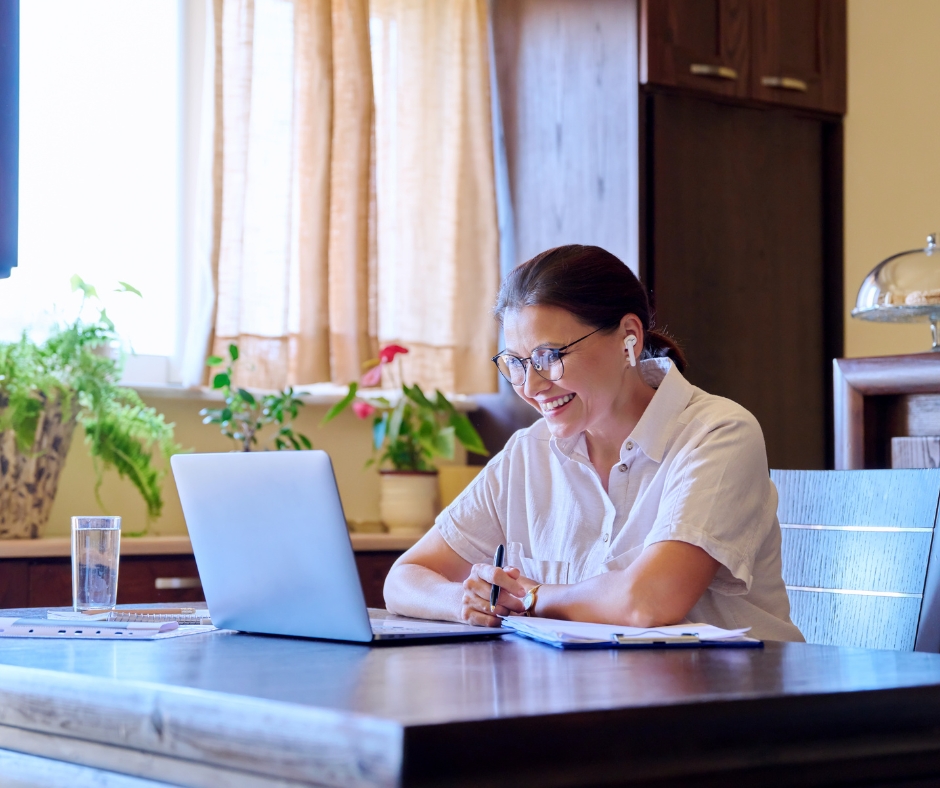
Meeting with a therapist virtually allows many people to begin treatment in a familiar environment where they already feel more comfortable. That sense of safety often makes it easier to open up, discuss difficult experiences, and stay consistent with appointments over time.
For many clients, reducing those initial barriers makes starting therapy feel much more achievable.
How online therapy can help
Online therapy uses many of the same evidence-based approaches as traditional, in-person counseling. The difference isn’t the quality of care—it’s how the care is delivered.
During therapy, you may work on:
- Identifying anxious thought patterns
- Challenging negative self-beliefs
- Building confidence in social situations
- Learning healthy coping strategies
- Practicing communication skills
- Managing physical symptoms of anxiety
As therapy progresses, you’ll also begin identifying situations that trigger your anxiety and explore practical ways to respond differently. Rather than trying to eliminate anxiety completely, therapy focuses on helping you build confidence so anxiety has less control over your daily life.
Many therapists also introduce gradual exposure techniques, allowing clients to face feared situations one step at a time in a supportive environment.
What to expect from your first online session
Starting therapy can feel intimidating, especially if you’ve never met with a therapist before. Fortunately, the first appointment is usually much more conversational than people expect.
Your therapist will likely ask questions about your symptoms, your personal history, and the situations that feel most challenging. Together, you’ll discuss your goals and begin creating a treatment plan that fits your needs.
You don’t need to have everything figured out before your first appointment. Therapy is a collaborative process, and your therapist will guide the conversation while helping you move at a pace that feels comfortable.
It’s completely normal to feel nervous during your first session. Many people with social anxiety worry about saying the wrong thing or being judged, but therapists understand these concerns and work to create a supportive, nonjudgmental environment.
Building confidence over time
Progress in therapy usually happens gradually rather than all at once.
As you become more comfortable with your therapist, you’ll begin practicing skills that help you navigate real-life social situations with greater confidence. Depending on your goals, this might involve preparing for conversations, managing workplace interactions, speaking up during meetings, or feeling more comfortable in everyday situations.
Many people are surprised to discover that confidence doesn’t come from eliminating anxiety completely. Instead, it grows from learning that you can successfully handle situations even when some anxiety is present.
That shift in perspective often becomes one of the most meaningful parts of therapy.
Tips for getting the most from online therapy
A few simple habits can help you feel more comfortable during virtual sessions.
Before your appointment:
- Find a quiet, private place where you won’t be interrupted.
- Test your camera and internet connection.
- Hide your self-view if seeing yourself on screen feels distracting.
- Be honest about your symptoms, even if they feel embarrassing.
- Stay consistent with appointments whenever possible.
Remember that your therapist isn’t expecting perfection. Therapy is a place to practice, learn, and gradually build confidence over time.
Online therapy can make taking the first step easier
Living with social anxiety can make the world feel much smaller than it really is. You may avoid conversations, decline invitations, or spend a great deal of time worrying about how other people perceive you.
The good news is that effective treatment is available, and seeking help doesn’t have to begin in a crowded office or unfamiliar setting. Online therapy offers many people a more comfortable way to start building the skills, confidence, and support they need to navigate social situations with less fear and greater self-compassion.
Everyone’s journey looks different, but taking that first step toward support is often the beginning of meaningful change.
Taking the First Step—When You’re Ready
Reaching out for support can feel especially difficult when social interactions themselves are a source of anxiety. That’s one reason many people find online therapy to be a comfortable place to begin.
When you’re ready, Breathable makes it easy to connect with an independently licensed therapist from the comfort of home. Whether you’re looking to better manage social anxiety, build confidence, or develop healthier coping strategies, online therapy offers flexible, compassionate support that meets you where you are.
Find the therapist for you—when it feels right.
Frequently Asked Questions
Is online therapy effective for social anxiety?
Yes. Research has shown that online therapy can be an effective treatment option for social anxiety when provided by a licensed mental health professional.
What types of therapy are used for social anxiety?
Many therapists use evidence-based approaches such as Cognitive Behavioral Therapy (CBT), exposure-based techniques, and mindfulness strategies to help manage social anxiety.
What if I’m nervous about my first therapy session?
Feeling nervous is completely normal. Your therapist understands that beginning therapy can be difficult and will help guide the conversation at a pace that feels comfortable for you.
Can online therapy help me become more confident?
Many people develop greater confidence through therapy by learning practical coping skills, challenging anxious thought patterns, and gradually practicing social situations in supportive ways.
Is online therapy right for everyone with social anxiety?
Online therapy is a good fit for many people, but the best approach depends on your individual needs and symptoms. A licensed mental health professional can help determine the most appropriate treatment plan.