
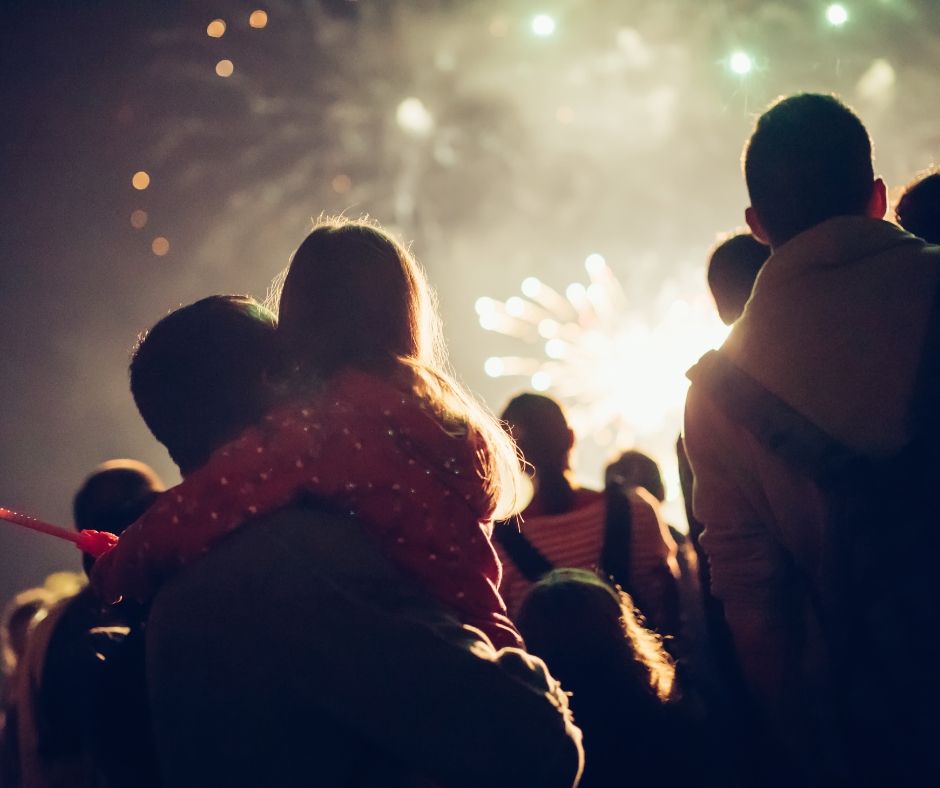
For many people, fireworks are associated with celebration. They mark holidays, community gatherings, and summer evenings spent with family and friends. While some people look forward to fireworks every year, others experience them very differently.
The sudden explosions, bright flashes, crowded environments, and unpredictability of fireworks can create feelings of anxiety, stress, or sensory overwhelm. For some individuals, the experience is mildly uncomfortable. For others, it can feel genuinely distressing and difficult to manage.
If you’ve ever found yourself feeling tense before a fireworks display, avoiding large celebrations, or feeling overwhelmed by loud environments, you’re not alone. There are many reasons someone may struggle with fireworks, and those reactions are often more common than people realize.
Why fireworks can feel overwhelming
One of the biggest challenges with fireworks is their unpredictability. Unlike other loud sounds, fireworks happen suddenly and often without warning. Even when you know a display is coming, it can be difficult to anticipate exactly when the next explosion will occur or how loud it will be.
For some people, this unpredictability creates a heightened sense of alertness. The nervous system begins preparing for the next loud sound, making it difficult to fully relax or enjoy the experience. Instead of feeling entertained, they may find themselves constantly bracing for what comes next.
Fireworks can also create multiple forms of sensory stimulation at once. The bright flashes, loud noises, large crowds, strong smells, and overall energy of an event can be a lot for the brain to process simultaneously. When several sensory inputs occur at the same time, some people become overwhelmed more quickly than others.
This does not mean there is something wrong with you. People process sensory information differently, and what feels exciting to one person may feel overstimulating to another.
Anxiety, PTSD, and sensory sensitivity
For individuals living with anxiety, fireworks can sometimes amplify existing stress. Loud and unexpected sounds naturally activate the body’s fight-or-flight response, which is designed to help us respond to potential threats. While fireworks are not dangerous in most situations, the nervous system does not always distinguish between a celebration and something that feels startling.
People who already experience anxiety may notice:
- Increased heart rate
- Muscle tension
- Difficulty relaxing
- Heightened worry or nervousness
- Feeling on edge before or during a fireworks display
For some individuals, fireworks may also be connected to past experiences. Veterans, first responders, survivors of violence, or people who have experienced traumatic events may find that fireworks trigger memories, emotions, or physical reactions associated with those experiences. In these situations, the reaction is not simply about disliking loud noises. The nervous system may be responding to a reminder of something much deeper.
It’s also important to recognize that sensory sensitivity exists on a spectrum. Neurodivergent individuals, including many people with autism or ADHD, may experience sensory input more intensely than others. Loud sounds, bright lights, and crowded environments can quickly become overwhelming, leading to stress, anxiety, or the need to leave the situation altogether.
Why children may struggle with fireworks too
Parents are often surprised when children who seem excited about fireworks suddenly become upset once the show begins.
Children are still learning how to process big emotions and sensory experiences. What starts as excitement can quickly turn into fear when loud explosions begin happening overhead. Some children become startled by the noise, while others feel overwhelmed by the crowds, darkness, or unfamiliar environment.
Common signs that a child may be experiencing sensory overload include:
- Covering their ears
- Crying or becoming unusually upset
- Wanting to leave the event
- Clinging closely to a parent
- Appearing withdrawn or shut down
These reactions are not necessarily signs that a child is being difficult or dramatic. In many cases, they are communicating that the environment feels overwhelming.
Providing reassurance, offering noise-reducing headphones, or allowing children to watch from a quieter distance can sometimes make the experience more manageable.
Coping with fireworks and sensory overload
While it may not be possible to eliminate every source of stress during fireworks season, there are ways to make the experience feel more manageable.
Some people find it helpful to:
- Use noise-canceling headphones or ear protection
- Watch fireworks from a greater distance
- Attend smaller events rather than large crowds
- Create a quiet indoor space if fireworks become overwhelming
- Practice calming breathing techniques before and during events
- Give yourself permission to leave if you need to
Perhaps most importantly, remember that there is no requirement to enjoy fireworks simply because other people do. It’s okay to make choices that support your wellbeing, even if those choices look different from what others are doing.
Learning what helps you feel comfortable and regulated is often far more valuable than forcing yourself through an experience that feels overwhelming.

When it may be time to seek support
Occasional discomfort around fireworks is common. However, if loud noises, crowds, or sensory experiences regularly create significant anxiety or interfere with your daily life, it may be worth exploring additional support.
Therapy can help people better understand anxiety, sensory sensitivities, trauma responses, and stress management strategies. It can also provide a safe space to explore why certain environments feel overwhelming and develop tools for navigating them more comfortably.
Support is not only for moments of crisis. Sometimes therapy can simply help you better understand your reactions and respond to them with greater confidence and self-compassion.
Taking the First Step—When You’re Ready
You don’t have to have everything figured out to begin.
When you’re ready, Breathable offers a clear, human way to start your therapy journey, without requiring you to decide on the “right” kind of therapy ahead of time. The platform is designed to reduce pressure and help you connect with an independently licensed therapist who can meet you where you are.
Find the therapist for you—when it feels right.
Frequently Asked Questions
Why do fireworks make me anxious?
Fireworks can trigger the body’s natural stress response because they are loud, sudden, and unpredictable. For some people, this can lead to feelings of anxiety or overwhelm.
Can fireworks trigger PTSD?
Yes. For some individuals, particularly those who have experienced trauma, fireworks may trigger memories, emotions, or physical reactions connected to past experiences.
Why are fireworks difficult for some neurodivergent people?
Many neurodivergent individuals experience sensory information more intensely, making loud noises, bright lights, and crowded environments more overwhelming.
How can I help my child who is afraid of fireworks?
Offering reassurance, using noise-reducing headphones, creating distance from the display, and allowing them to leave if needed can all help reduce stress.
Can therapy help with sensory overload and anxiety?
Therapy can help individuals understand their reactions, develop coping strategies, and build tools for managing anxiety and sensory overwhelm more effectively.