
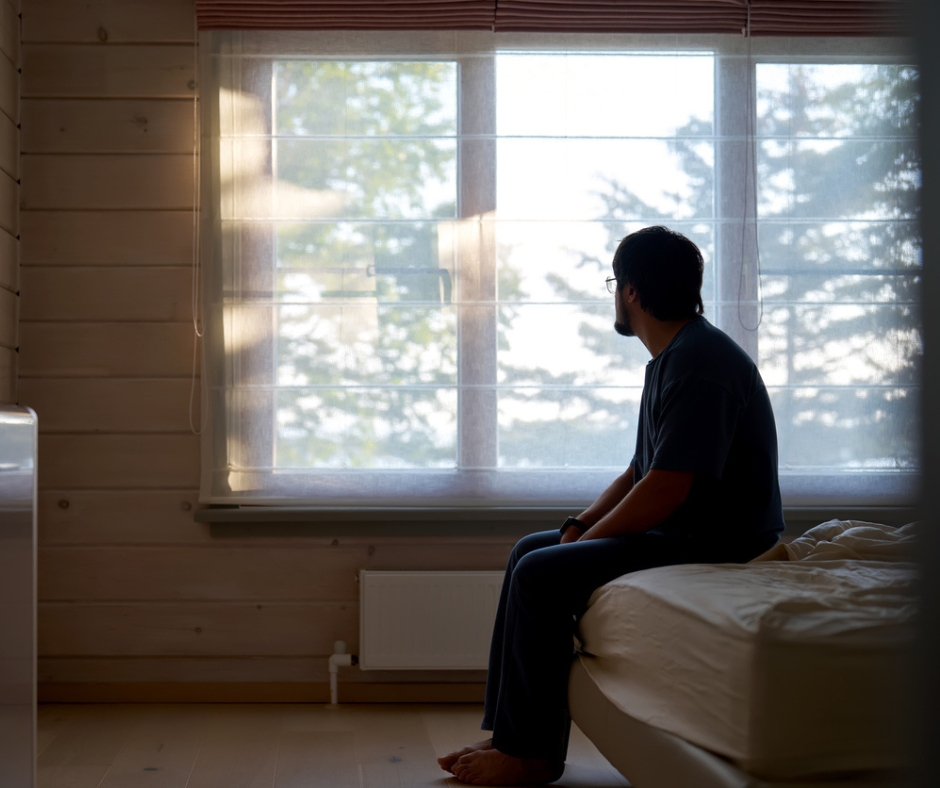
As the days grow shorter and temperatures begin to drop, you may notice changes in your mood, energy, or motivation. Getting out of bed might feel more difficult, activities you normally enjoy may seem less appealing, or you may find yourself wanting to spend more time alone.
For some people, these changes go beyond simply disliking colder weather. They may be signs of Seasonal Affective Disorder (SAD), a form of depression that follows a recurring seasonal pattern, most commonly beginning in the fall or winter.
Seasonal depression can affect how you feel, think, and function in everyday life. While you can’t control the changing seasons, understanding what’s happening and knowing what support is available can make these months feel more manageable.
What Is Seasonal Affective Disorder?
Seasonal Affective Disorder is a type of depression characterized by symptoms that appear during particular times of the year and improve as the seasons change. Most people who experience SAD notice symptoms beginning in the fall or winter, when daylight hours become shorter, although some people experience a less common summer pattern.
Researchers are still studying exactly why seasonal depression develops. Changes in daylight exposure and the body’s internal sleep-wake cycle may play a role, along with factors involving serotonin and melatonin, which are associated with mood and sleep regulation.
Not everyone who feels less energetic during winter has Seasonal Affective Disorder. The condition involves depressive symptoms that can meaningfully interfere with daily functioning and recur in a seasonal pattern. A qualified healthcare professional can help determine whether your symptoms reflect SAD, another form of depression, or something else.
Common Signs and Symptoms of Seasonal Depression
Seasonal depression can affect more than your mood. Some people primarily notice changes in their energy or sleeping habits, while others experience increased sadness, irritability, difficulty concentrating, or a loss of interest in activities they usually enjoy.
Common symptoms may include:
- Persistent sadness, low mood, or feelings of hopelessness
- Fatigue or low energy, even after getting enough sleep
- Sleeping more than usual or having difficulty waking up
- Changes in appetite, including increased cravings for carbohydrates
- Difficulty concentrating or staying motivated
- Withdrawing from friends, family, or social activities
- Losing interest in hobbies or activities you normally enjoy
Symptoms can vary from person to person, and not everyone experiences them in the same way. Summer-pattern seasonal depression may also involve different changes in sleep and appetite.
What matters is whether these changes are affecting your quality of life. If you consistently notice your mental health declining around the same time each year, it may be worth exploring whether seasonal depression could be contributing.
Is It Seasonal Depression or Just the Winter Blues?
It’s common to feel a little different as the seasons change. Shorter days, colder temperatures, and changes in routine can affect how much time you spend outdoors, how often you socialize, and how motivated you feel.
The difference is generally the severity, duration, and impact of your symptoms. Someone experiencing the winter blues may feel less energetic or occasionally down while still being able to manage their usual responsibilities. Seasonal depression involves more significant symptoms that can interfere with work, relationships, daily activities, and overall well-being.
Another important distinction is the recurring pattern. A diagnosis of depression with a seasonal pattern generally involves depressive episodes occurring during particular seasons over at least two years. However, you don’t need to wait two years or have a formal diagnosis before talking with a professional about symptoms that concern you.

How Can Therapy Help With Seasonal Affective Disorder?
Online therapy can provide a space to better understand how seasonal changes are affecting your thoughts, behaviors, relationships, and daily routines. Rather than simply waiting for the season to pass, working with a therapist can help you recognize patterns and develop strategies for managing symptoms.
One approach used to treat seasonal depression is cognitive behavioral therapy (CBT). A version specifically adapted for seasonal depression, called CBT-SAD, focuses on identifying unhelpful thoughts and behaviors associated with seasonal changes. It also incorporates behavioral activation, which involves intentionally scheduling meaningful or enjoyable activities, even when motivation is low.
For example, someone experiencing seasonal depression may gradually stop making plans, exercising, or spending time with friends because they feel exhausted or unmotivated. While withdrawing may feel easier in the moment, it can also contribute to feeling more isolated. Therapy can help someone recognize these patterns and explore manageable ways to stay connected to the activities and relationships that matter to them.
Research has found that CBT adapted for seasonal depression can reduce symptoms, with some evidence suggesting that its benefits may continue into future winters. Not every therapist provides specialized CBT-SAD, but a therapist experienced in treating depression can help determine which therapeutic approaches may be appropriate.
Other Ways to Manage Seasonal Depression
Therapy can be an important part of managing seasonal depression, but it isn’t the only treatment option. Depending on the severity of symptoms and individual circumstances, a healthcare professional may recommend light therapy, antidepressant medication, psychotherapy, or a combination of approaches.
Light therapy involves exposure to a specially designed bright light box, generally during the morning, to help compensate for reduced daylight during fall and winter. However, light therapy isn’t appropriate for everyone, particularly some people with bipolar disorder, certain eye conditions, or medications that increase sensitivity to light. It’s best to discuss its use with a healthcare professional before starting.
Everyday habits can also play a supportive role. Maintaining a consistent sleep schedule, spending time outdoors when possible, staying physically active, and making opportunities for social connection may help support emotional well-being. These habits aren’t substitutes for treatment when depression is significant, but they can complement an individualized care plan.
Why Finding the Right Therapist Matters During Seasonal Changes
If you notice that your mental health becomes more difficult to manage during certain times of the year, working with a therapist who understands depression and mood changes may be particularly helpful.
Finding the right therapist isn’t simply about finding someone with an available appointment. You may want someone who has experience treating depression, understands how changes in routine and motivation affect mental health, and uses an approach that aligns with your goals. Feeling comfortable with your therapist can also make it easier to discuss symptoms that may be difficult to explain to friends or family.
At Breathable, we prioritize helping you connect with an independently licensed therapist whose experience aligns with what you’re navigating. Whether you’re experiencing seasonal mood changes, ongoing depression, or simply noticing that your emotional well-being feels different during the colder months, finding someone who understands your concerns is an important part of seeking support.
Online therapy can also make attending sessions more convenient during the fall and winter. When shorter days, busy schedules, or difficult weather make leaving home less appealing, having the option to meet with a therapist from home can remove some of the logistical barriers to maintaining consistent appointments.
Taking the First Step: When You’re Ready
You don’t have to wait until your symptoms feel overwhelming to seek support. If you’ve noticed that your mood, energy, motivation, or relationships tend to change during certain seasons, talking with a mental health professional can help you better understand what you’re experiencing and what support may be appropriate.
Seasonal depression can be challenging, particularly when it feels like the same difficulties return year after year. But experiencing a recurring seasonal pattern doesn’t mean you have to navigate those months without support.
At Breathable, we prioritize helping you connect with an independently licensed therapist who understands your needs and goals. With convenient online sessions and personalized therapist matching, you can find support that fits into your life, whatever the season.
Find the therapist for you, when it feels right.
Frequently Asked Questions
What is Seasonal Affective Disorder (SAD)?
Seasonal Affective Disorder is a form of depression characterized by depressive episodes that follow a recurring seasonal pattern. Symptoms most commonly begin during fall or winter and improve during spring or summer, although some people experience seasonal depression during warmer months.
Can therapy help with Seasonal Affective Disorder?
Yes. Psychotherapy, particularly cognitive behavioral therapy adapted for seasonal depression (CBT-SAD), is an evidence-based treatment option. Therapy can help people recognize unhelpful thought patterns, develop coping strategies, and maintain meaningful activities during difficult seasons.
How do I know if I have seasonal depression?
Common symptoms include persistent sadness, low energy, changes in sleep or appetite, difficulty concentrating, and loss of interest in activities. If these symptoms interfere with daily life or consistently occur during certain seasons, a qualified healthcare professional can help evaluate what you’re experiencing.
Does Seasonal Affective Disorder only happen in winter?
No. Although seasonal depression is most common during fall and winter, some people experience depressive episodes during spring or summer. Symptoms and contributing factors can differ depending on the seasonal pattern.
Is online therapy effective for seasonal depression?
Online therapy can provide access to established therapeutic approaches used to treat depression, including CBT, when delivered by appropriately trained professionals. Whether it’s the right option depends on your symptoms, individual needs, and the level of care required.
When should I talk to a therapist about seasonal depression?
Consider seeking support if changes in your mood, energy, sleep, or motivation persist, worsen, or interfere with daily life. You don’t need to wait for symptoms to become severe before reaching out. If you’re experiencing thoughts of suicide or immediate emotional crisis, call or text 988 in the United States for immediate support.