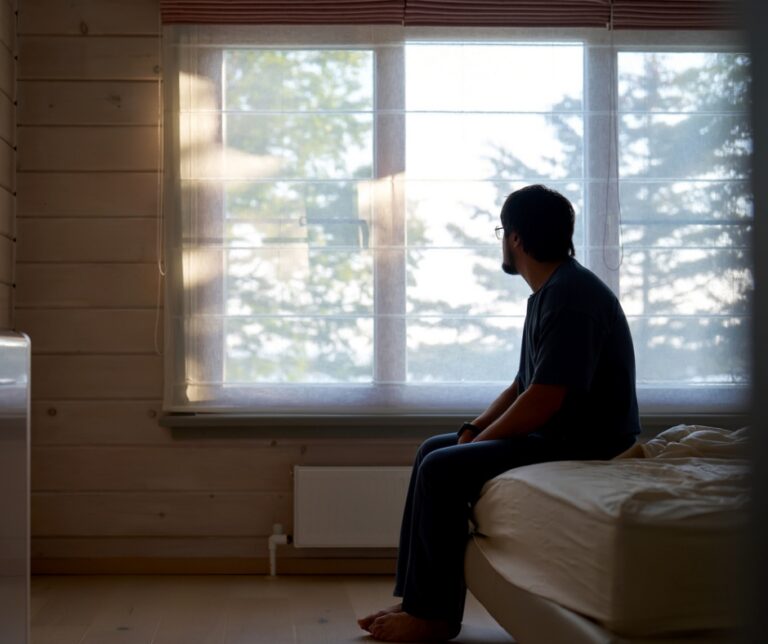

Everyone cries from time to time. Tears are a natural response to grief, disappointment, stress, and even moments of overwhelming joy. But if you find yourself crying more often than usual—or tears seem to come out of nowhere—you may be wondering whether something more is going on.
Frequent or uncontrollable crying can sometimes be a sign of depression or another mental health concern. It doesn’t necessarily mean something is “wrong” with you, nor does it mean you’re weak. Instead, it may be your mind and body signaling that you’re carrying more emotional weight than you realize.
Understanding why depression crying spells happen, what they may mean, and when it’s time to seek support can help you take the next step toward feeling more like yourself again.
Why do depression crying spells happen?
Depression affects much more than your mood. It can influence how you think, process emotions, respond to stress, and experience everyday life. For some people, that emotional strain shows up as persistent sadness. For others, it appears as numbness, irritability, or frequent crying.
Unlike crying after a difficult conversation or sad movie, depression crying spells often feel unpredictable. You may begin crying while doing something completely ordinary, like driving home from work, folding laundry, or sitting quietly at your desk. Sometimes there’s an obvious trigger, and other times there isn’t one at all.
Depression isn’t the only reason this can happen, however. Anxiety, chronic stress, burnout, major life changes, grief, and even certain medical conditions can also contribute to increased tearfulness. That’s why it’s important to look at the bigger picture rather than focusing on one symptom alone.
When crying may be a sign of depression
Everyone experiences depression differently, but frequent crying may be worth discussing with a mental health professional if it’s accompanied by other changes in your emotional wellbeing.
Some signs that depression may be contributing include:
- Feeling persistently sad, empty, or hopeless.
- Losing interest in activities you once enjoyed.
- Feeling emotionally overwhelmed most days.
- Changes in sleep or appetite.
- Difficulty concentrating or making decisions.
- Feeling exhausted, even after resting.
- Withdrawing from friends or family.
- Feeling guilty, worthless, or unusually self-critical.
Experiencing one or two of these symptoms occasionally doesn’t automatically mean you have depression. However, if several of these experiences have lasted for two weeks or longer and are interfering with your daily life, it’s worth speaking with a healthcare professional.
What you can do when a crying spell starts
Although you may not always be able to stop a crying spell immediately, there are strategies that can help you feel more grounded and reduce the intensity of the moment.
Focus on your breathing
When emotions become overwhelming, breathing often becomes shallow and rapid, which can make those feelings even more intense. Taking slow, controlled breaths can help calm your nervous system and bring your attention back to the present.
One simple technique is box breathing:
- Inhale for four seconds.
- Hold your breath for four seconds.
- Exhale for four seconds.
- Pause for four seconds.
Repeat this several times until your breathing begins to slow naturally.
Ground yourself in the present
Grounding techniques help interrupt the cycle of overwhelming emotions by shifting your attention to your surroundings.
A popular method is the 5-4-3-2-1 technique, where you identify:
- Five things you can see.
- Four things you can touch.
- Three things you can hear.
- Two things you can smell.
- One thing you can taste.
While simple, this exercise can help redirect your focus away from racing thoughts and back to the present moment.
Practice self-compassion
Many people become frustrated or embarrassed when they begin crying unexpectedly, especially if it happens at work or in public. It’s easy to judge yourself in those moments, but self-criticism often adds another layer of emotional distress.
Instead, remind yourself that emotions are a normal part of being human. You don’t have to force yourself to “snap out of it.” Giving yourself permission to experience difficult emotions without judgment can sometimes help them pass more naturally.

You don’t have to manage it alone
If crying spells have become frequent, are interfering with your daily life, or leave you feeling emotionally exhausted, it may be time to reach out for professional support.
Online therapy can help you better understand what’s contributing to your symptoms while teaching practical strategies for managing overwhelming emotions. Depending on your individual needs, treatment may include therapy, lifestyle changes, medication, or a combination of approaches.
It’s also important to remember that you don’t need to know whether your crying is caused by depression before asking for help. Therapy can be a valuable place to explore your experiences, identify patterns, and determine whether additional evaluation or treatment may be beneficial.
Seeking support isn’t about proving your symptoms are “serious enough.” It’s about giving yourself the opportunity to better understand what you’re experiencing and finding healthier ways to cope.
Taking the First Step—When You’re Ready
You don’t have to wait until your symptoms feel overwhelming to seek support.
When you’re ready, Breathable makes it easy to connect with an independently licensed therapist from the comfort of home. Whether you’re experiencing persistent sadness, frequent crying spells, or simply trying to better understand your emotions, therapy can provide a supportive space to explore what you’re experiencing and develop healthy coping strategies.
Find the therapist for you—when it feels right.
Frequently Asked Questions
Are crying spells a symptom of depression?
They can be. While everyone cries occasionally, frequent or uncontrollable crying—especially when accompanied by other symptoms like persistent sadness, fatigue, or loss of interest in daily activities—may be associated with depression.
Can anxiety cause crying spells too?
Yes. Anxiety, chronic stress, burnout, grief, and other mental health conditions can also contribute to increased tearfulness.
Is it normal to cry for no apparent reason?
Sometimes. Emotional stress can build gradually, making it difficult to identify a specific trigger. If crying becomes frequent or begins affecting your daily life, it’s worth discussing with a healthcare professional.
How can I stop crying when I feel overwhelmed?
Grounding techniques, slow breathing, and practicing self-compassion may help reduce the intensity of a crying spell. A therapist can also help you develop personalized coping strategies.
When should I seek professional help?
If crying spells become frequent, interfere with work or relationships, or occur alongside symptoms such as hopelessness, persistent sadness, or thoughts of self-harm, it’s important to seek professional support as soon as possible.